
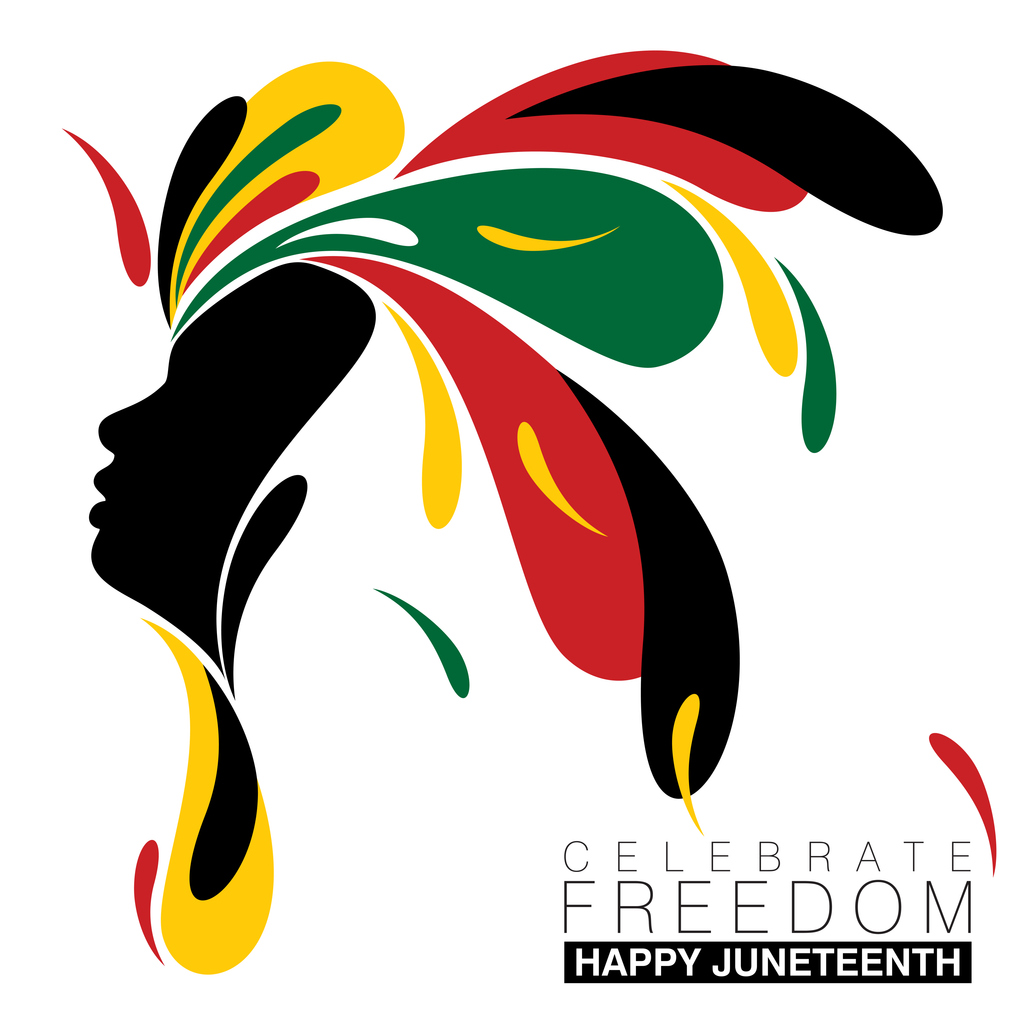
Growing up, I didn’t learn about Juneteenth in school. It wasn’t until I got older, stepped outside the textbooks, and started digging into history for myself that I truly began to grasp its significance. I recall the first time I heard about Juneteenth and how it sparked my curiosity to learn more about our history. For many of us, understanding our collective past is a way to find clarity about the disparities and struggles we see today. Juneteenth is one of those pivotal moments that reveal a great deal about resilience, freedom, and truth.
The History Behind Juneteenth
To understand Juneteenth, we first need to talk about the much-celebrated Emancipation Proclamation, issued by President Abraham Lincoln on January 1, 1863. While it declared enslaved people in Confederate states free, its immediate impact was limited. Confederate states, still in active rebellion, largely ignored the proclamation. The promise of freedom didn’t reach everyone equally.
It wasn’t until June 19, 1865, more than two years later, that Union General Gordon Granger arrived in Galveston, Texas, and delivered General Order No. 3. This order announced that all enslaved people in Texas were free. It’s essential to pause and think about that – people who had lived under the torment of slavery for years heard those life-changing words for the first time on that day. Some of them had been waiting for freedom long after it was officially declared. That’s what makes Juneteenth such a monumental part of our history. It represents truth, finally catching up with a promise that had been long overdue. The resilience and strength of these individuals in the face of such adversity are genuinely inspiring.
Juneteenth Traditions
Juneteenth celebrations began almost immediately, as newly freed people across Texas gathered to pray, sing, and reflect on their new reality. These gatherings evolved into vibrant annual events, with parades, barbecues, music, and storytelling at their core. The parades often feature traditional African American music and dance, the barbecues serve up soul food, and the storytelling sessions recount the struggles and triumphs of the African American community. For many, it became not just a celebration of freedom but an act of remembrance and resistance.
To this day, Juneteenth is marked with joy and reflection. Across the country, people honor the day with cultural events, festivals, and educational programs. The symbolism of red foods and drinks, representing resilience and the bloodshed of enslaved ancestors, is a staple at many gatherings. Red foods, such as red velvet cake and red drinks, like strawberry soda, are served to symbolize the resilience of the African American community and the bloodshed of their ancestors during the struggle for freedom. It’s a potent reminder of where we’ve been and how far we’ve come.
The Road to Federal Recognition
For decades, Juneteenth was celebrated on a more localized scale, kept alive primarily within Black communities. But the push for broader recognition was steady and resolute. Activists and advocates worked tirelessly to ensure that Juneteenth was recognized not just as a cultural celebration but as a national moment of reckoning and remembrance.
Fast forward to June 17, 2021, when President Joe Biden signed legislation making Juneteenth a federal holiday. That step was monumental for many reasons. Having Juneteenth recognized federally was not just about acknowledging a moment in history but also about validating the continued fight for racial equity and justice in America.
Yet, recognition is only the beginning. Making Juneteenth a holiday doesn’t erase centuries of systemic racism or the inequalities that persist. It’s a step forward, but it’s up to all of us to reflect on what this day stands for and continue pushing for meaningful change. The fight for justice is ongoing, and it’s up to all of us to keep going for a more equitable future. This ongoing struggle serves as a reminder of the urgency of the issue and the need for continuing action.
Why Juneteenth Matters Today
There’s a reason why Juneteenth feels particularly relevant in the times we’re living through now. We’re grappling with questions of justice, equity, and truth. The resistance to justice that appears to be pervasive in certain quarters of our society, as seen in the disparities within the criminal justice system and the ongoing fight for voting rights, serves as a poignant reminder of why understanding history is so crucial. Juneteenth, with its lessons of delayed justice and the resilience of those who fight for their humanity, is a powerful tool in our ongoing struggle for justice and equality.
Juneteenth is not just a story of a single day or community. It’s an American story, and it belongs to all of us. It teaches us about delayed justice and the resilience of people who continue to fight for their humanity despite the system denying them fundamental rights. This history is not just for Black Americans but for all Americans, as it represents our collective identity and our ongoing struggle for justice and equality. It’s a reminder that we all have a role to play in shaping our future and ensuring a more just and equitable society for everyone.
When we celebrate Juneteenth, we’re not just celebrating freedom; we’re honoring those who fought for it and acknowledging the work that still needs to be done. It’s a day to reflect, to educate ourselves, and to recommit to creating a more equitable future.
Moving Forward Together
I’ve often thought about how we grow; that’s the whole truth of our history. Confronting the past, especially when it involves pain and injustice, isn’t easy, but it’s necessary. That’s what makes Juneteenth so powerful. It forces us to look, to remember, and to learn.
Whether you’re celebrating with red velvet cake at a barbecue, attending a local commemoration event, or quietly reflecting on the day’s significance, please take a moment this Juneteenth to think about its lessons. How can we celebrate progress while continuing to make the necessary changes? How can we ensure that freedom and equality are not just ideals but realities for everyone? Let’s use this day as a catalyst for action, to recommit ourselves to the fight for justice and equality.
We all have a role to play in shaping the future. Juneteenth reminds us that the pursuit of justice is ongoing, but together, we can continue to push forward. It’s not just about celebrating a holiday; it’s about each of us taking responsibility for creating a more just and equitable society. This collective responsibility should make us all feel the importance of our roles in this ongoing struggle.
References:
Wikipedia.org. Juneteenth. https://en.wikipedia.org/wiki/Juneteenth
The Foundation for Sustainable Urban Communities. https://www.fsucommunities.org
Thank you for reading this blog post. If you have any questions or comments, please leave them in the Comments section below.
Copyright © 2019. I Don’t Know All The Answers, Nikki Mastro.
All of my photographs and documents are copyrighted.
The main image included in this blog post is from the iStock.com library.
No part of this website, including text, photographs, and documents, may be reproduced, stored in a retrieval system, or transmitted in any form or by any means without written permission from the copyright holder. All unauthorized use is strictly prohibited. If you choose to copy or share any information from my site, you must provide a link to the source. I appreciate your cooperation.
For further information concerning “I Don’t Know All The Answers.”
– Website and Blog: https://www.idontknowalltheanswers.com
– Facebook: https://www.facebook.com/Nikki.L.Mastro/
– Instagram: https://www.instagram.com/i_dont_know_all_the_answers/
– LinkedIn: https://www.linkedin.com/in/nikki-mastro-05455a3a/
– Youtube Channel: https://www.youtube.com/@idontknowalltheanswers1954