
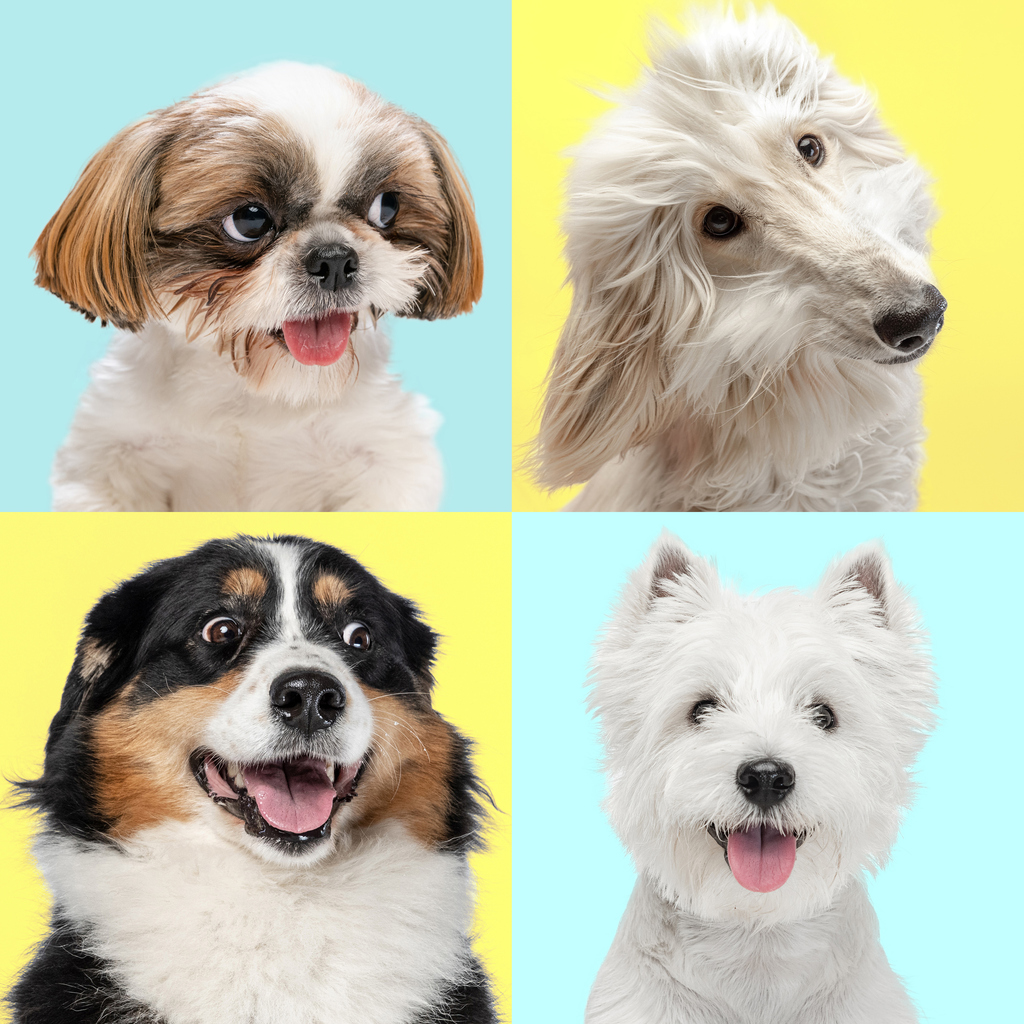
Since my earliest memories, dogs have been an integral part of my life. Their awe-inspiring ability to connect with us, a phenomenon that never fails to fascinate me, is a testament to their remarkable social cognition. I’m sure many dog lovers, like me, have often pondered, “What’s going on inside their heads?” Their social cognition is truly a marvel to behold.
This curiosity has led to the emergence of a captivating field of study known as dog cognition. Today, I want to explore a particularly intriguing aspect of this field: dog social cognition. This unique area of study examines how dogs interact with humans, other animals, and their environment. What sets their understanding of social relationships apart? And more importantly, how do we measure it?
The Intricate Social Lives of Dogs
When I reflect on the connection I’ve shared with my dogs, I’m often struck by how seamlessly they seem to “read” me. They know when I’m happy, when I’m sad, and even when I’m pretending to throw their ball for the hundredth time (they’ve figured me out!). But this isn’t just anecdotal; it’s a testament to their incredible social intelligence.
Dogs have an innate ability to understand human emotions, gestures, and even spoken words. What makes this even more astounding is that scientists believe dogs evolved these skills over thousands of years through their interactions with humans. Essentially, they became masters of reading us. I find it endearing.
But their social cognition doesn’t stop with humans. Dogs also display complex interactions with other animals, whether it’s forming playful bonds with other dogs at the park or figuring out the social dynamics of a multi-pet household. Anyone who’s watched their dog “negotiate” for space on the couch with a cat knows just how sharp their social instincts can be.
How Do Researchers Study Dog Social Cognition?
It’s one thing to observe these remarkable traits at home; it’s another to study them scientifically. And this is where researchers shine. One of the most captivating aspects of dog cognition studies is the clever and creative methods employed.
Take, for instance, behavioral studies. Imagine a researcher holding two cups, one containing a treat and the other empty. By pointing to the correct cup, the researcher tests the dog’s ability to follow human gestures. It’s a simple experiment, but the results are profound—most dogs instinctively follow the pointing finger, showcasing their ability to interpret human cues.
Then there are problem-solving games. One of my favorites to read about involves the classic “impossible task” test. Picture this—a treat is placed inside a sealed container that the dog can’t open. What does the dog do? Most will look at their owner, as if to say, “A little help here?” This behavior highlights a fascinating aspect of dog cognition known as referential communication, where dogs actively seek assistance from humans. Honestly, I’ve seen this in action with my pup countless times, usually accompanied by the most dramatic side-eye.
Observation studies are another tool researchers use. By observing natural interactions—whether it’s dogs playing together at a park or greeting their owners after some time apart—scientists gain valuable insights into how dogs perceive social dynamics. This kind of research not only informs us about dogs but also sheds light on basic principles of social interaction that apply across species, including humans.
The Human-Dog Connection
These studies underscore one undeniable fact: the bond between humans and dogs is truly extraordinary. It’s more than just the trust we build through training or shared routines; it’s a connection that runs deep, almost primal. Dogs don’t just respond to us; they anticipate us, fostering a sense of appreciation and connection that is unique to our relationship.
This bond is rooted in thousands of years of evolution. From their early days as wolves scavenging near human campsites to their modern roles as beloved companions, dogs have been tuned into our needs, emotions, and even quirks. Other species, such as dolphins or chimpanzees, are undeniably intelligent. Still, it’s dogs’ unique partnership with humans that sets them apart, making us feel privileged to share such a unique bond.
I’ve often joked that my Golden Retriever, Teddy, is the actual “people person” of the family. When guests come over, he knows who’s nervous and sidles up gently. He knows who loves dogs and will unabashedly demand belly rubs. We’ve never trained him for any of this; it’s just part of who he is. And as science is discovering, Teddy isn’t an outlier. This understanding is woven into the fabric of what it means to be a dog.
What Can Dogs Teach Us?
Studying dog cognition is not just a matter of curiosity; it has far-reaching implications. It helps us refine training methods, improve their quality of life, and deepen our relationships with them. Moreover, it offers us a glimpse into how other species, including ourselves, perceive and interact with the world, enriching our understanding of the complex world of animal cognition. This knowledge empowers us to be better pet parents and to appreciate the intelligence of our furry companions.
Dogs remind us that intelligence comes in many forms. Their genius lies not in how many words they can learn or how many tricks they can perform, but in their ability to connect, adapt, and empathize with others.
The next time your dog tilts their head at you (a fascinating behavior, by the way, linked to how they process language), consider what’s going through their mind. They’re not just looking for treats or trying to decode your commands—they’re engaging with you, as a friend, a companion, and an essential part of their world.
Wrapping Up
Exploring the depths of dog social cognition only reaffirms what so many of us have known all along—dogs aren’t just pets; they’re partners in our lives. They understand us in ways that often feel magical but are, in fact, deeply rooted in science.
Whether they’re stealing socks, snuggling on the couch, or staring into our eyes with that unmistakable love, dogs show us every day that connection is at the heart of intelligence. As we learn more about their minds, we also gain a deeper understanding of our own.
References:
DOG MOMS – Karma Collars: Leather Dog Collars. https://karmacollars.com/blogs/news/dog-moms
Psychology Today. Unleashing Your Dog’s Social Genius. Jennifer Arnold. https://www.psychologytoday.com/us/blog/through-dog-s-eyes/201602/unleashing-your-dog-s-social-genius#:~:text=Dogs%20can%20recognize%20our%20facial,much%20like%20we%20do%20toddlers.
Thank you for reading this blog post. If you have any questions or comments, please leave them in the Comments section below.
Copyright © 2019. I Don’t Know All The Answers, Nikki Mastro.
All of my photographs and documents are copyrighted.
The main photo included in this blog post is from the iStock.com library.
No part of this website, including text, photographs, and documents, may be reproduced, stored in a retrieval system, or transmitted in any form or by any means without written permission from the copyright holder. All unauthorized use is strictly prohibited. If you choose to copy or share any information from my site, you must provide a link to the source. I appreciate your cooperation.
For further information concerning “I Don’t Know All The Answers.”
– Website and Blog: https://www.idontknowalltheanswers.com
– Facebook: https://www.facebook.com/Nikki.L.Mastro/
– Instagram: https://www.instagram.com/i_dont_know_all_the_answers/
– LinkedIn: https://www.linkedin.com/in/nikki-mastro-05455a3a/
– Youtube Channel: https://www.youtube.com/@idontknowalltheanswers1954