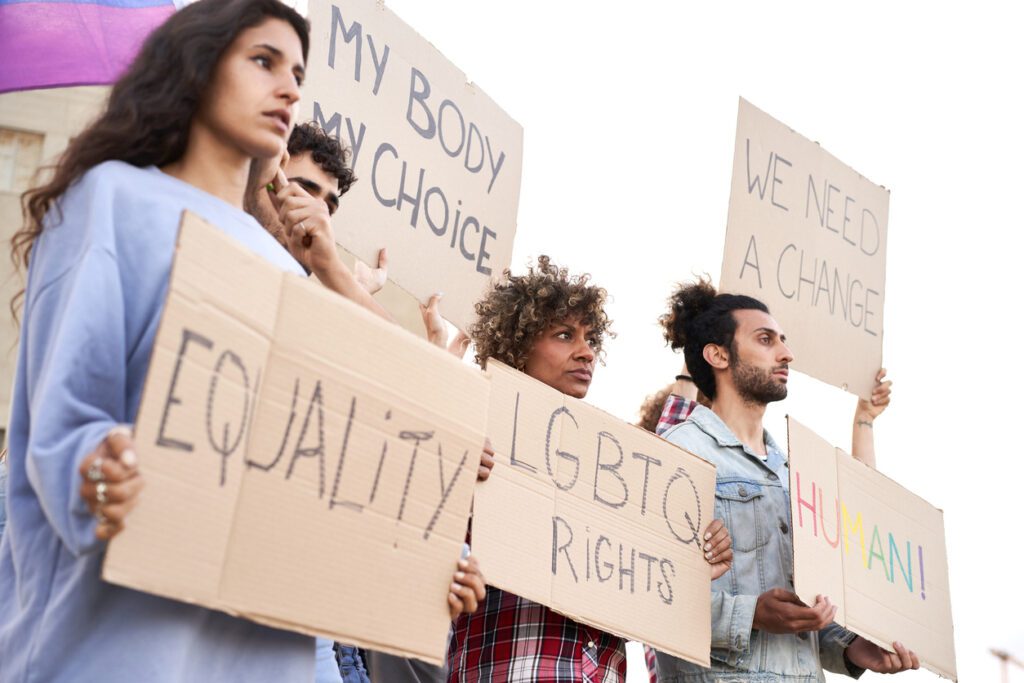
I’ve been thinking about the invisible walls we build—those made of misunderstandings, fear, and disconnection. These walls don’t just separate us; they silence us, leaving us talking past each other instead of connecting. I’ve seen this in strained friendships, family disagreements, and the broader “us vs. them” mentality. Yet, I’ve learned that empathy—stepping into someone else’s shoes—can bring these walls down.
Empathy guides me through difficult conversations. Behind every disagreement is a human story. When we tap into that, we unlock understanding. Let’s explore how empathy works and why it’s essential for bridging today’s divides.
Why Empathy Matters in a Divided World
Tension is everywhere—on social media, the news, even at family gatherings. People take sides on various issues, including politics, culture, and values. The differences seem huge, and it’s exhausting.
Yet beneath the noise, most of us want to be heard, understood, and respected. That’s where empathy comes in. It helps us see beyond the surface. Empathy isn’t agreement or surrendering beliefs; it’s saying, I see you. I’m listening. I want to understand.
When empathy is present, something magical happens. Defenses lower. Conversations open up. It’s like clearing the static on a radio—you can finally hear the melody.
How Empathy Bridges Divides—Big and Small
Empathy isn’t just a feel-good concept; it’s a tool. Here’s why it works:
Empathy stops us from seeing people as labels. We begin to recognize the complexity of their stories. Someone isn’t just “that neighbor who disagrees”; they’re a parent, a child, a person navigating life, just like you.
Empathy builds trust. When people feel understood, they open up. Trust provides the groundwork for collaboration and change.
- Taking the Sting Out of Conflict
Truly understanding someone’s view makes disagreements less personal. Instead of feeling attacked, you feel informed. That shifts how you engage, even during tough talks.
Empathy is not a simple fix, but it is the essential starting point for meaningful solutions. It creates space for connection and progress where division once stood.
Practical Ways to Cultivate Empathy
It’s one thing to agree that empathy is essential; it’s another to embody it. Here are some steps you can take to start practicing empathy today:
- Listen to Learn, Not to Respond
Often, we listen while crafting our reply. Try pausing your internal voice. Focus entirely on what’s being said. Ask open-ended questions, such as, “Can you tell me more?” or “What’s been on your mind?”
Notice body language, tone, and what’s left unsaid. These cues reveal emotions or struggles the person may not voice.
You don’t have to agree, but acknowledge feelings. Say, “That sounds hard,” or “I see why you’d feel that way.”
- Step Into New Experiences
Read books by people with different life experiences, watch documentaries, or volunteer outside your comfort zone. The more you learn about others, the easier it is to empathize.
When you start to label someone as “wrong,” pause and ask, ‘What might have led them here?” Redirect judgment into understanding, rather than alienation.
Empathy for others begins with yourself. Give yourself grace when you mess up, and it becomes easier to extend that to others.
From Empathy to Action
Empathy isn’t passive. Once you understand someone, ask, “What can I do?” Consider supporting a cause, offering your time, or simply lending your presence. Big or small, these gestures matter—and can ripple out powerfully.
Empathy won’t fix every divide overnight, but it’s a start—the bridge we build with each conversation. You don’t have to wait for someone else; you can lead with empathy today. In your next talk or moment of disagreement, pause and ask, What’s their story?
Empathy doesn’t just connect us—it changes us. That, I believe, is the first step toward something better.
Closing Thoughts
The world feels fractured, but cracks can bring connection if we meet with open minds and hearts. My challenge—for you and myself—is to lean into empathy. It’s not always easy, but it’s worth it. The more we see each other as humans, the fewer divides we’ll have to cross.
What’s one small way you can practice empathy today? Maybe a conversation, a question, or deeper listening. However you begin, you’re building a bridge toward the community we all want.