
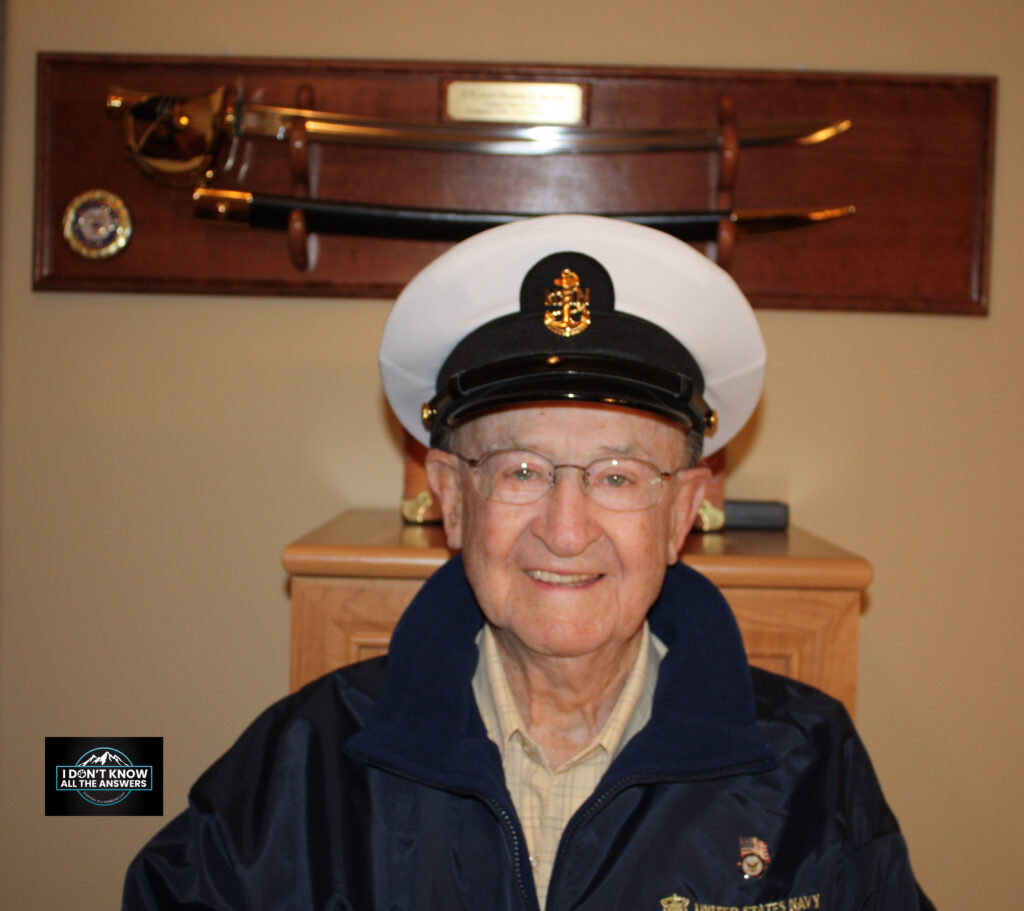
Every November, I find myself pausing a little more. The air gets crisp, leaves crunch under my feet, and a feeling of reflection seems to settle over everything. A part of that feeling is tied to Veterans’ Day. Behind every veteran is a personal story of sacrifice, courage, and commitment. Veterans’ Day is for them. It’s a day for us to collectively say thank you to all who have served, in times of war and peace. These personal stories, like that of my father, Donald Edward Kranz, deepen our understanding and appreciation, and they are the threads that connect us all.
On Veterans Day, we pause to remember the men and women who put everything on the line to protect our nation and our freedom. It’s a day for gratitude, not just in words, but in reflection. It’s a day to think about courage, sacrifice, and what it truly means to serve something greater than oneself.
But have you ever wondered how this Day of Remembrance came to be? Its origins are deeply rooted in the end of one of the world’s most significant conflicts, and its evolution tells a story about how we as a nation view service and honor. The transformation of Armistice Day into Veterans’ Day is not just a name change, but a testament to our evolving understanding and appreciation of the sacrifices made by our veterans. It’s a sign of our commitment never to forget their service.
The End of the Great War
To understand Veterans’ Day, we have to travel back in time to the end of World War I. This conflict, known at the time as “the Great War,” was one of the deadliest in human history. It was a brutal, global struggle that left millions dead and reshaped the world map. The fighting finally ceased with an armistice, or a temporary truce, between the Allied nations and Germany.
This armistice went into effect on the eleventh hour of the eleventh Day of the eleventh month in 1918. The world breathed a collective sigh of relief. A year later, in November 1919, President Woodrow Wilson proclaimed the first Armistice Day. He wanted Americans to reflect on the heroism of those who died for our country and to feel gratitude for the victory. His words called for parades and a brief pause in business activities at 11:00 a.m.
It was meant to be a day of pride and solemn remembrance of the end of a war that people hoped would be the “war to end all wars.” For years, that’s what it was. A day to honor the veterans of World War I and celebrate peace.
From Armistice to Veterans’ Day
The hope that World War I would be the last great conflict proved to be short-lived. A generation later, the world was plunged into World War II. Millions of Americans, including my own Dad, answered the call to serve. They were followed by many more who served in the Korean War.
This created a new reality. Armistice Day was originally explicitly tied to World War I veterans. But now, millions of new veterans from other major conflicts also deserve recognition. The original meaning of the holiday felt too narrow. It was a veteran from Birmingham, Alabama, named Raymond Weeks, who first proposed expanding Armistice Day to honor all veterans, not just those from one war.
Weeks, a World War II veteran himself, led a delegation to Washington, D.C. to pitch his idea. He even began celebrating a “National Veterans Day” in Alabama in 1947. His persistence paid off. Representative Ed Rees of Kansas, impressed by Weeks’s idea, introduced a bill in Congress to officially change the holiday’s name and scope.
In 1954, President Dwight D. Eisenhower, a five-star general and the Supreme Commander of the Allied Expeditionary Force in Europe during World War II, signed the legislation. Armistice Day was officially renamed Veterans’ Day. It was no longer just about remembering the end of one war. It became a day to honor American veterans of all wars, recognizing their service and their contributions to our freedom.
Why We Celebrate Today
So, what does Veterans’ Day mean for us now? It’s a day that stands apart from Memorial Day. While Memorial Day is a solemn occasion to remember and honor the men and women who died while serving in the military, Veterans’ Day is a time to thank and honor all who have served, especially our living veterans.
It’s a day to acknowledge the neighbor down the street who was in the Navy, the coworker who served in the Air Force, or the family member whose time in the Marines is a quiet point of pride. It’s an opportunity to listen to their stories if they wish to share them, and to say, “Thank you for your service.” Those words, though simple, carry so much weight. I know they did for my Dad. He would always nod, a slight smile on his face, but I could see in his eyes that the acknowledgment meant something.
Celebrating Veterans’ Day can be as simple as flying a flag, attending a local parade, or just taking a moment at 11 a.m. to reflect on the sacrifices made for our country. But it’s also a chance for personal growth, for us to learn more about our own history and the experiences of those who have defended our way of life. It’s an opportunity to be inspired by their courage and to feel a part of a larger community of gratitude. This Day is not just about saying thank you, but about understanding and appreciating the depth of the sacrifices made by our veterans.
Personal Connection
For me, this Day has always carried deep personal meaning because of my father, Donald Edward Kranz. He served in the United States Navy during World War II aboard the USS Lexington (CV-2), one of the most storied aircraft carriers in our history, which played a pivotal role in the Pacific Theater. It was a symbol of American strength and resilience, and my father was proud to serve on board.
The “Lady Lex,” as she was affectionately called, met her fate on May 8, 1942, during the Battle of the Coral Sea. My father survived the sinking, but he never forgot the ship, her crew, or the friends he lost that Day. For the rest of his life, he honored the memory of Lady Lex, not only through his stories but through the quiet dignity with which he lived. He carried her spirit, that combination of strength and grace, wherever he went. His service continued to shape his life, influencing his values, his actions, and his relationships.
Growing up, I remember the way his eyes would soften when he spoke about his shipmates. There was pride there, yes, but also reverence. Veterans don’t seek recognition for themselves; they carry the weight of shared history. They remind us that freedom is fragile and must be safeguarded not by words alone, but by action, courage, and unity.
This Veterans Day, I think about my father and all those who served beside him. I think about every veteran who came home and continued serving in other ways, as teachers, mentors, neighbors, and parents who passed on their quiet lessons of resilience and respect.
To all our veterans: thank you. Thank you for standing watch so we can live in peace. Thank you for showing us what honor looks like. And thank you to my Dad for his service, his sacrifice, and the example he left behind. His legacy, like that of the Lady Lex, lives on, steadfast and unsinkable.
This November 11, I encourage you to find your own way to honor our veterans. It could be by calling a veteran you know, sharing a story of service with your children, or supporting an organization that helps veterans transition back to civilian life. Let’s make it more than just a day off. Let’s make it a day of genuine connection and heartfelt thanks. We owe them that, and so much more.
Thank you for reading this blog post. If you have any questions or comments, please leave them in the Comments section below.
Copyright © 2019. I Don’t Know All The Answers, Nikki Mastro.
All of my photographs and documents are copyrighted.
No part of this website, including text, photographs, and documents, may be reproduced, stored in a retrieval system, or transmitted in any form or by any means without written permission from the copyright holder. All unauthorized use is strictly prohibited. If you choose to copy or share any information from my site, you must provide a link to the source. I appreciate your cooperation.
For further information concerning “I Don’t Know All The Answers.”
– Website and Blog: https://www.idontknowalltheanswers.com
– Facebook: https://www.facebook.com/Nikki.L.Mastro/
– Instagram: https://www.instagram.com/i_dont_know_all_the_answers/
– LinkedIn: https://www.linkedin.com/in/nikki-mastro-05455a3a/
– Youtube Channel: https://www.youtube.com/@idontknowalltheanswers1954