
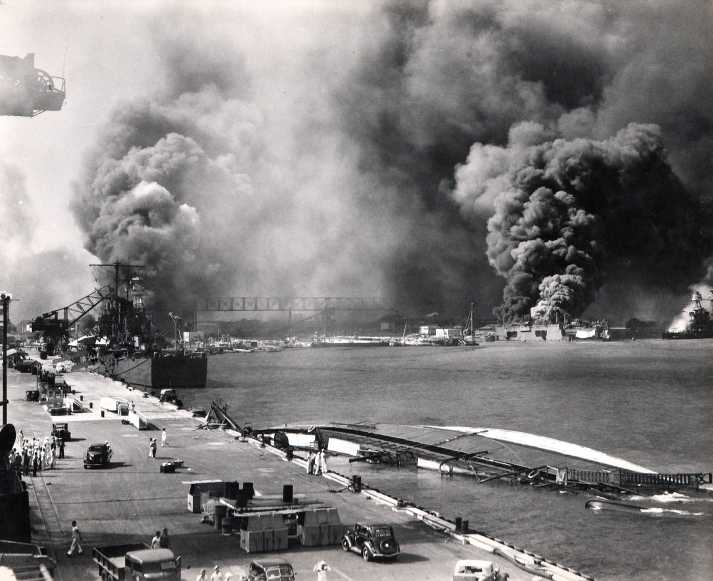
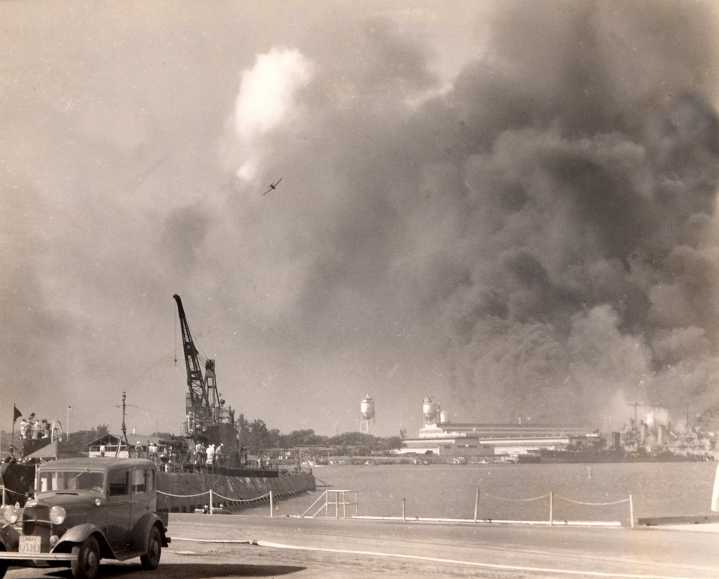
Note: The actual photos from the attack on Pearl Harbor are from my Dad’s files, and I assume from the Naval Archives. But I can’t be sure, and so I am unable to give proper credit.
The Day That Changed a Nation
Every year on December 7, we pause to remember the quiet Sunday morning in 1941 when over 2,400 Americans lost their lives, a tragedy that profoundly changed everything for the nation, inspiring reflection and respect.
Understanding this day involves examining the forces that led to the attack, the tragic failures that left us vulnerable, and the immediate aftermath that reshaped American history, encouraging us to learn from the past and build a better future.
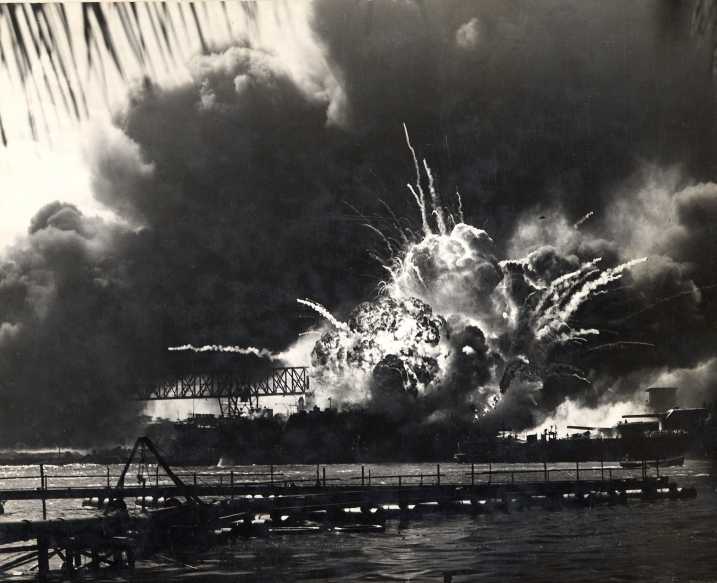
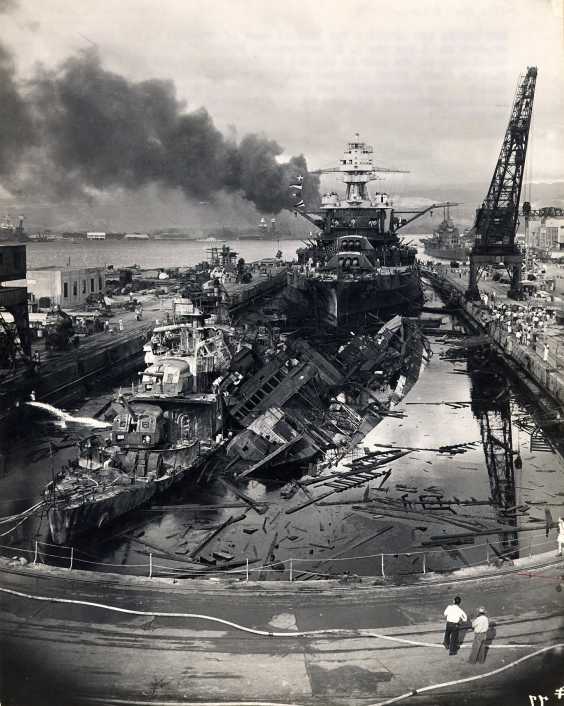
Note: The actual photos from the attack on Pearl Harbor are from my Dad’s files, and I assume from the Naval Archives. But I can’t be sure, and so I am unable to give proper credit.
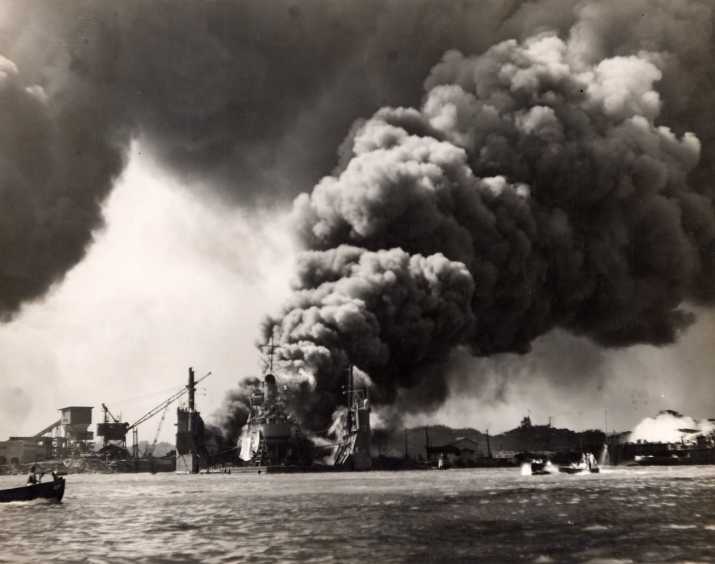
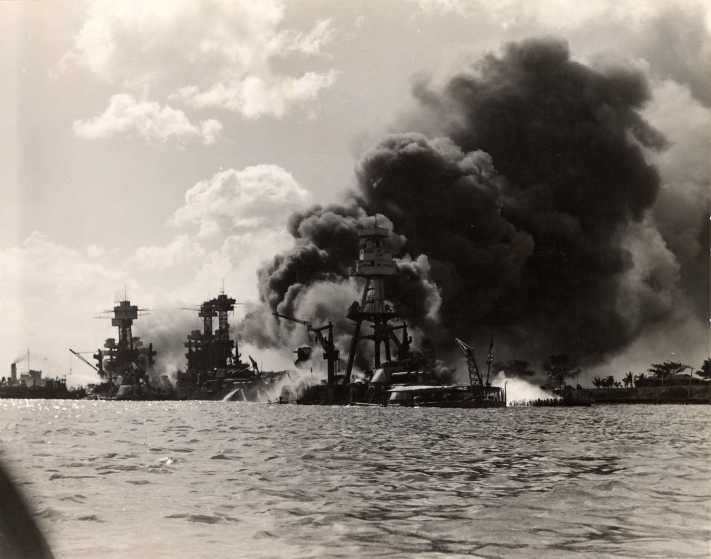
Note: The actual photos from the attack on Pearl Harbor are from my Dad’s files, and I assume from the Naval Archives. But I can’t be sure, and so I am unable to give proper credit.
Why Japan Attacked
Japan’s Expansion Across Asia
By the 1930s, Japan was aggressively expanding throughout Asia. The invasion of Manchuria in 1931 and the full-scale invasion of China in 1937 alarmed Western nations, which feared further encroachment on their own territories and interests.
Rising Tensions With the United States
In response to Japan’s continued expansion, the United States began applying economic pressure. The most significant move came in July 1941, when the United States froze Japanese assets and cut off vital oil exports. Japan relied heavily on American oil to fuel its military. Facing shortages, Japanese leadership believed conflict was unavoidable unless they could secure new resources.
A Preemptive Strike Strategy
Japan’s military leaders concluded that their best chance to win a war with the United States was to strike first, believing a surprise attack was necessary to prevent American retaliation and secure strategic territory across Southeast Asia. They hoped that a devastating blow against the Pacific Fleet would cripple American resistance long enough for Japan to achieve its expansion goals.
Pearl Harbor became their target.
Why the Attack Succeeded
The United States was not unaware of growing tensions. Still, several key failures and misjudgments allowed the attack to unfold with devastating success.
Missed and Misinterpreted Intelligence
Leading up to December 7, American intelligence intercepted multiple warnings, but the information was scattered among various departments, and no single office had the complete picture. Indicators of an impending attack were missed or dismissed due to bureaucratic silos and assumptions that Japan would not attack so far from home, which contributed to the surprise and devastation.
Preparation for Sabotage, Not Air Attack
Commanders at Pearl Harbor believed sabotage by local agents was more likely than an air strike. Aircraft were parked close together to protect them from sabotage, but this made them easy targets from the air.
Radar Warning Ignored
Early on the morning of the attack, a radar station detected a large formation of incoming aircraft. The report was dismissed. The duty officer assumed these were American B-17s arriving from the mainland.
Underestimation of Japanese Capability
Many leaders believed Japan would never attempt an attack so far from home, a false sense of security that proved costly and highlights the importance of accurate intelligence assessment.
December 7: The Attack
Japanese aircraft attacked in two waves
- Battleships were bombed and torpedoed
- Airfields were hit with precision
- Hundreds of American planes were destroyed
- The USS Arizona suffered a catastrophic explosion
- More than 1,100 crew members were entombed in the ship, where they remain today.
In under two hours, the Pacific Fleet was staggered, but the absence of three aircraft carriers, including the USS Lexington, proved crucial, as they played key roles in subsequent battles and shifted the war’s momentum.
The Aftermath: America Enters World War II
On December 8, President Franklin D. Roosevelt addressed the nation, calling December 7 “a date which will live in infamy.” Congress declared war on Japan almost immediately. Days later, Germany and Italy declared war on the United States.
The attack on Pearl Harbor unified the American people in a way few moments ever have. Factories shifted to wartime production, enlistment surged, and the entire nation mobilized, fostering a sense of shared purpose and resilience.
What began as a tragedy at Pearl Harbor not only led to America’s entry into WWII but also reshaped global power dynamics, influencing post-war geopolitics and American influence worldwide.
December 7 is a day of remembrance and gratitude. It reminds us how quickly peace can be shattered, how deeply loss can shape a nation, and how courage rises from devastation. The men and women who lived through that morning, those who fought, those who served, and those who waited at home, carried the weight of history forward.
Their sacrifice is why we remember.
Their courage is why we continue to tell these stories.
And their legacy is why December 7 will always matter.
References:
Wikipedia. Attack On Pearl Harbor.
https://en.wikipedia.org/wiki/Attack_on_Pearl_Harbor
⇉An Outline Of American History Essay Example | GraduateWay. https://graduateway.com/american-history-19/
Pearl Harbor Attack. https://www.u-s-history.com/pages/h1649.html
Thank you for reading this blog post. If you have any questions or comments, please leave them in the Comments section below.
Copyright © 2019. I Don’t Know All The Answers, Nikki Mastro.
All of my photographs and documents are copyrighted.
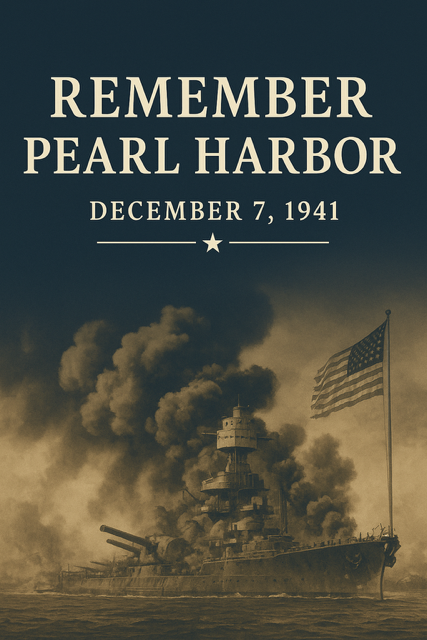
Note: I used AI (ChatGPT) to create the main image for this Blog post.
Note: The actual photos from the attack on Pearl Harbor are from my Dad’s files, and I assume from the Naval Archives. But I can’t be sure, and so I am unable to give proper credit.
No part of this website, including text, photographs, and documents, may be reproduced, stored in a retrieval system, or transmitted in any form or by any means without written permission from the copyright holder. All unauthorized use is strictly prohibited. If you choose to copy or share any information from my site, you must provide a link to the source. I appreciate your cooperation.
For further information concerning “I Don’t Know All The Answers.”
– Website and Blog: https://www.idontknowalltheanswers.com
– Facebook: https://www.facebook.com/Nikki.L.Mastro/
– Instagram: https://www.instagram.com/i_dont_know_all_the_answers/
– LinkedIn: https://www.linkedin.com/in/nikki-mastro-05455a3a/
– Youtube Channel: https://www.youtube.com/@idontknowalltheanswers1954