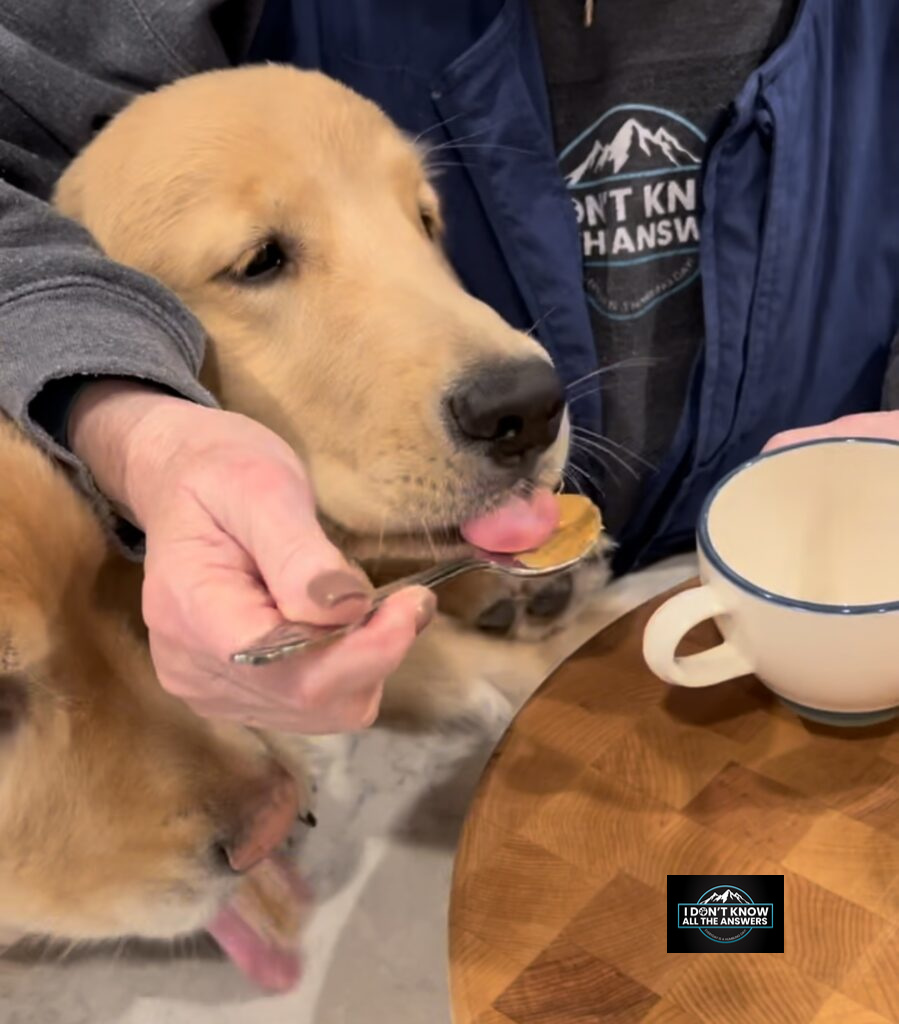
There is a moment that happens quietly, often without ceremony, when something shifts inside us. It is not announced. No decision has been made out loud. But suddenly, the relationship is no longer framed in terms of ownership or responsibility.
The brain decides.
This is no longer just an animal you care for.
This is your child.
What makes this so important to say out loud is that it is not metaphorical. It is not wishful thinking. It is not emotional confusion. When we talk about pet parenting, we are talking about something the brain has already recognized as real.
The Chemistry of Attachment Does Not Ask for Permission
When you look at your pet and feel that rush of warmth, that pull toward protection, that instinct to comfort, your brain releases oxytocin. This is the same hormone released when a parent bonds with their newborn child. It is the hormone responsible for trust, attachment, and caregiving.
Your nervous system does not stop to ask what species you are looking at.
It only asks one question:
Is this being vulnerable, dependent, and emotionally significant to you?
If the answer is yes, the bonding process activates.
This is why the love feels immediate and overwhelming. This is why the concern feels primal. This is why separation anxiety can go both ways. Your brain is not pretending. It responds exactly as it was designed to when something precious enters your care.
Parenthood Is a State of the Nervous System
We often think of parenthood as a social role, something defined by biology, legality, or tradition. But psychologically, parenthood is a state of the nervous system.
- It shows up as vigilance.
- As tenderness.
- As a constant background awareness of another being’s needs.
If you have ever found yourself listening for breathing, adjusting your schedule around feeding times, or feeling your mood shift based on their comfort or distress, that is not exaggeration. That is parental attunement.
Teddy and Bear are not dependent on me in the way human children are, but my brain experiences their dependence as meaningful and authentic. They rely on me for safety, nourishment, comfort, and protection. That is enough.
The brain does not require diapers or homework to assign the role of parent.
Why It Feels Automatic, Not Chosen
Many people say, “I never planned to treat my pet like a child. It just happened.”
That is because attachment is not a conscious process. It is built through repetition, proximity, and care. Day after day of feeding, soothing, protecting, and responding builds neural pathways that reinforce the bond.
Love grows not because you decided to love, but because you showed up.
And once those pathways are established, the brain does not downgrade the relationship. It does not say, “This is less important because it is not human.” It simply files the bond under the family category.
The Protective Instinct That Surprises Us
One of the most obvious signs that the brain has entered parent mode is protectiveness. The kind that feels sudden and intense.
If you have ever felt a surge of anger at the idea of someone mistreating your pet, or panic at the thought of something happening to them, you have felt parental instinct. It lives below logic. It does not negotiate.
That instinct exists for one reason: to keep something alive.
And when your brain assigns that level of protection, it is not doing so casually.
Calling Yourself a Mom Is Not Role Playing
When people dismiss pet parents by saying, “You’re not really a parent,” they are speaking socially, not neurologically.
Because neurologically, you are.
Your brain has identified a being whose well-being is tied to your own emotional regulation. It has activated caregiving systems that influence your hormones, routines, priorities, and sense of purpose.
That is not pretend. That is the definition.
So when I say I am Teddy and Bear’s mom, I am not elevating them at the expense of anyone else. I am simply honoring what my brain already knows.
Closing Thoughts
Pet parenting does not begin with a label. It starts with attachment. With care repeated often enough that love becomes automatic.
If your brain has decided you are a parent, it did so because it recognized something worthy of protection, devotion, and deep emotional investment.
- That is not a weakness.
- That is not confusion.
- That is humanity doing what it does best.
And once the brain decides, there is no going back.