Reflections on Compassion and Accountability
This week, the world felt heavier. Saturday morning, I was walking and thinking about Teddy, reciting the mantra I have come to rely on for my daily walks, and honoring the vulnerable monks and Aloka, walking for peace. The light was soft and gentle. The air was crisp. For a moment, I felt grounded in the present and in gratitude for the simple reality of Teddy improving day by day. I do not want to be over-eager or imagine improvement that has not truly happened, yet I can feel that things are better. That feeling matters in a world that is often so hard to face.
And then the headlines came. Again.
What Happened in Minneapolis
On Saturday morning in Minneapolis, a 37-year-old man named Alex Pretti was shot and killed by a Federal Border Patrol ICE agent during a federal immigration enforcement operation. His family identified Pretti as an ICU nurse and lifelong Minneapolis resident. Federal authorities say he had a legally carried handgun and that he approached officers during the operation, after which an agent fired fatal shots. Pretti’s family and many in the community dispute that narrative and emphasize that he was a compassionate health care worker deeply involved in social justice activities. His death is the second fatal shooting of a civilian by federal agents in the Minneapolis area this month, following the earlier killing of Renee Good by an Immigration and Customs Enforcement ICE agent on January 7. Investigations and public reports are ongoing, but the pain and controversy are already profound.
The Response by Local Leaders and Communities
The reaction has been immediate and widespread. Minnesota Governor Tim Walz issued strong statements criticizing federal law enforcement tactics and vowed that state authorities would conduct independent inquiries. Demonstrations have filled streets in frigid temperatures, calling for federal agents to leave the state and for accountability for actions that many see as excessive force. Community vigils and gatherings surround the moments of silence for Pretti, alongside continued vigils remembering Renee Good. Calls for change have come from elected officials and civic leaders alike as people grapple with how these events should shape public policy and community safety.
Why Stories Like This Hit So Hard Emotionally
It feels personal even when it is far away. When we see someone’s life taken in such a sudden and violent way, we do not just feel sorrow for the loss. We feel shaken to our core because it reminds us that life is fragile and that the social systems we trust to protect citizens are failing to safeguard them. When the victim is described as a healer and a caregiver who cared for others, there is an added layer of heartbreak. Lives devoted to compassion should not become symbols of violence we can no longer look away from.
We feel frightened because each moment like this pushes a little more of our sense of safety aside. We feel helpless because the structures that govern justice and public safety can seem distant, unresponsive, or unaccountable. In that vulnerability, we experience a deep emotional strain that goes beyond sadness. It goes to the heart of our sense of shared humanity.
What Compassion Looks Like in Public Discourse
Compassion in public discourse begins with seeing the people behind the headlines. It means recognizing the full complexity of a human life rather than reducing it to a statistic or a political talking point. It means listening with care to families who have lost loved ones and to communities that feel terror instead of protection. Compassion also means calling for transparent investigations and fair accountability while refusing to justify violence as a default response to conflict.
Compassion in public conversation looks like thoughtful reporting, honest acknowledgment of pain, and policies that prioritize human dignity. It seems like community leaders are holding space for grief, responding with empathy, and seeking reforms that create safer futures for everyone involved.
How We Can Help When We Feel Helpless
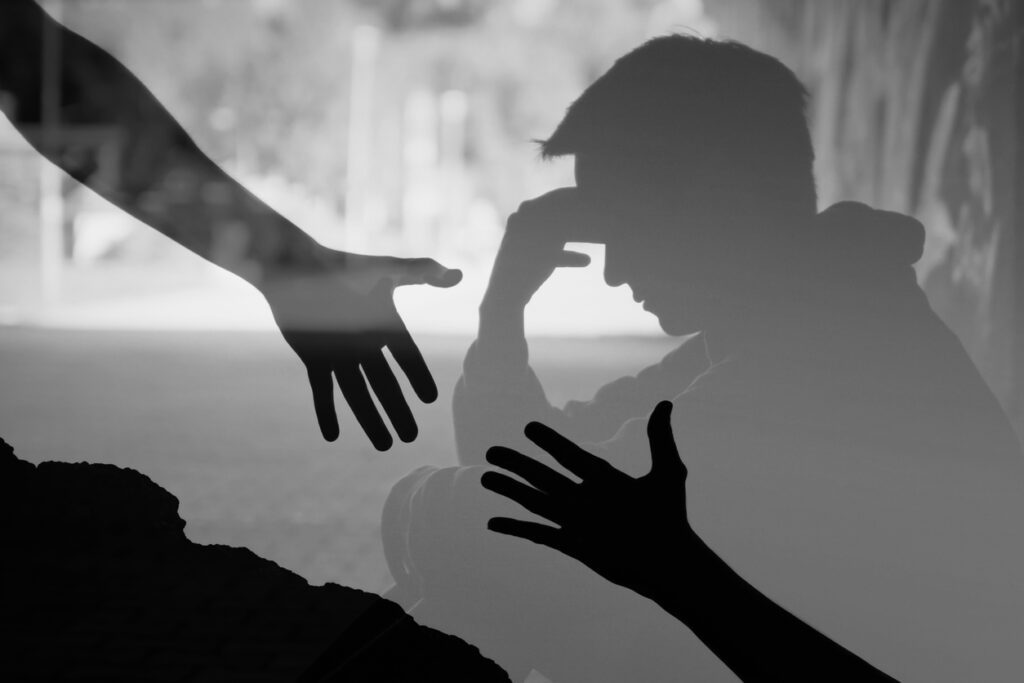
I know what it feels like to be frightened and helpless in the face of news like this. It feels overwhelming. When we feel powerless, small, meaningful actions can help us align our intention with compassion in the world. I have written letters to every person in a leadership role in both political parties, hoping my pleas for empathy and compassion will be heard.
Here are ways we can respond that preserve our humanity and contribute to something better:
- Stay informed from a range of reliable sources so we can understand the facts and the context deeply.
- Support organizations working toward justice, accountability, and reform in law enforcement and immigration policy.
- Engage with your own community. Compassion and care begin in the places we know best.
- Reach out with empathy to people around you who are grieving or feel burdened by these losses.
- Write and speak from your authentic voice about why human dignity matters and why compassion must be at the center of public life.
When the world feels heavy and frightening, we can take refuge in the parts of life that are still warm and healing. Teddy’s improvement, a morning walk that feels sacred, the quiet moments of presence with those we love. These are not distractions from reality. They are reminders of what we are working for when we insist on compassion and accountability in the face of injustice.