Pack Mentality Meets Modern Life

I’ll never forget the first time I noticed it. I was in my kitchen, Andrea Bocelli playing softly in the background, chopping vegetables for a meal I was making. It was a simple, quiet Tuesday evening. As I moved from the counter to the stove, I nearly tripped over my golden retriever,  Teddy. He was lying right in the middle of the floor, his head on his paws, eyes following my every move. My first thought was mild annoyance – he was directly in my path. But then I looked at him, really looked at him, and saw something more profound than just a dog waiting for a dropped piece of carrot. He was content, present, and completely tuned into the rhythm of the house. He was part of the pack.
 
That small moment made me think about the incredible connection we share with our dogs. It’s a bond that stretches back thousands of years, built on a shared history that we sometimes forget in our busy modern lives. Our homes are not the wild plains their ancestors roamed, but the instincts that guided those ancient wolves are still very much alive in the furry companions snoozing on our couches. Understanding this pack mentality isn’t just a fun fact; it’s a key to unlocking a deeper, more meaningful relationship with our best friends.
 
The Echo of the Wild Pack
Before dogs became our domesticated companions, their ancestors lived and survived in tightly knit family groups. Wolves, the genetic predecessors of our poodles and pugs, are masters of social cooperation. Every aspect of their lives, from hunting and raising pups to defending territory, is a group effort. The pack provides safety, companionship, and a system for success. Within this structure, every member has a role and a sense of belonging.
 
One of the most crucial pack activities was, and still is, the meal. The hunt was a well-coordinated event, and the subsequent feast was an opportunity for the entire pack to gather. It was a communal activity that reinforced social bonds and hierarchies. Everyone was present, everyone participated, and everyone shared in the outcome. This deep-seated instinct, to be together during the preparation and consumption of food, is an echo we see in our own homes every single day.
 
When your dog follows you into the kitchen and settles at your feet while you cook, they aren’t just hoping for a handout (though they probably wouldn’t say no to one). They are answering a primal call to be part of the pack’s “hunt.” The sounds of chopping, the sizzle of a pan, the aromas filling the air, all of these are signals to your dog that a significant pack event is underway. In their world, this is the modern equivalent of the pack gathering around a successful kill. They are instinctively drawn to the center of the action.
 
Your Kitchen Is Their Modern Campfire
Consider how central the kitchen is in most homes. It’s where we start our day with coffee, where we gather after work or school, and where we prepare the meals that nourish our families. It’s a hub of activity and connection. For our dogs, this space is no different. It’s the modern-day campfire, the heart of the home where the pack comes together.
 
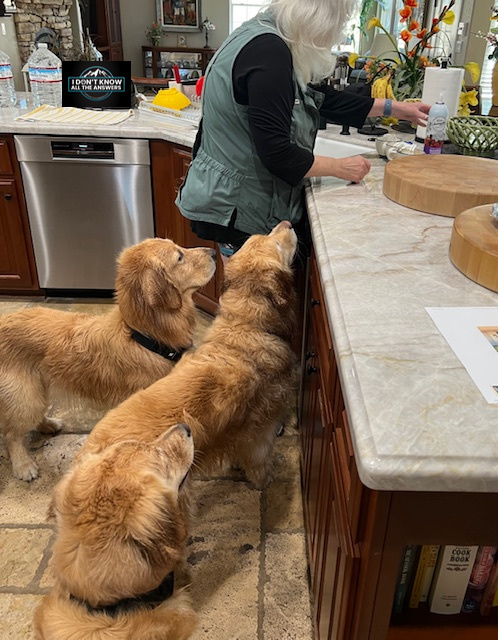
My own dogs, Teddy and Bear, seem to have an internal clock for this. Around 5 p.m., just as I start thinking about dinner, they’ll get up from their naps and trot into the kitchen, settling into their designated spot by the pantry. They lie there, a furry roadblock of love, and watch me. They are not whining or begging. They are just… present. They are participating in the only way they know how. They are keeping the “pack leader” company during an important ritual.
 
This behavior is a beautiful display of their social nature. Dogs are not solitary animals. They thrive on connection and social interaction. Being excluded from a group activity can be a source of anxiety for them. By allowing them to be near us during these daily routines, we are validating their place in the family. We are telling them, in a language they understand, “You belong here. You are part of this.”

Mom is making a snack for the playgroup.
More Than Just Attention Seeking
It’s easy to misinterpret this behavior as simple attention-seeking or a clever ploy for food scraps. And while the hope for a dropped morsel is likely always there, the core motivation runs much deeper. It’s about security and inclusion. In the wild, staying close to the pack meant safety from predators and access to resources. For your dog, staying close to you, their pack leader, provides a profound sense of security and well-being.
 
I’ve learned to see this behavior as a form of communication. When Teddy and Bear plant themselves at my feet, they are telling me they feel safe and connected. They are showing their trust and their desire to be part of my world. Instead of seeing them as being underfoot, I now see it as an honor. They choose to be with me, to share in the mundane task of making dinner, because to them it’s not mundane at all. It’s family time.
 
This instinct also explains why so many dogs experience separation anxiety. When the pack leaves, a dog’s primal brain can signal danger. They are alone, vulnerable, and disconnected from their source of safety and comfort. Recognizing the power of this pack bond helps us be more compassionate and understanding of their needs when we have to leave them alone.
 
Deepening Your Bond Through Understanding
So, what can we do with this understanding? How does knowing about pack mentality change how we interact with our dogs? For me, it has completely shifted my perspective. It has filled me with a greater sense of empathy and appreciation for the silent communication happening between us.
Here are a few ways this insight has helped me strengthen my bond with Teddy and Bear:
 
  • Create Inclusive Routines: I now make a point to talk to them while I cook. I tell them what I’m making, just as I would with a human family member. This small act acknowledges their presence and includes them in the moment.
  • Give Them a “Job”: Sometimes, I’ll give them a special chew toy in the kitchen while I cook. This gives them their own “task” to focus on, making them feel like a contributing member of the dinner-time ritual.
  • Appreciate the Closeness: Instead of shooing them away, I now step around them with a smile. I’ll pause to scratch ears and thank them for their company. I am consciously choosing to see their presence as a gift, not an inconvenience.
Understanding that our dogs are acting on ancient instincts allows us to respond with more patience and love. The next time your dog settles at your feet while you work, cook, or watch TV, take a moment. See them not just as a pet, but as a fellow pack member finding comfort and belonging in your presence. They are showing you the highest compliment a dog can give: they see you as their family, their leader, and their safe place in this modern world. And that is a truly beautiful thing.

Thank you for reading this blog post. If you have any questions or comments, please leave them in the Comments section below.

Copyright © 2019. I Don’t Know All The Answers, Nikki Mastro.

All of my photographs and documents are copyrighted.

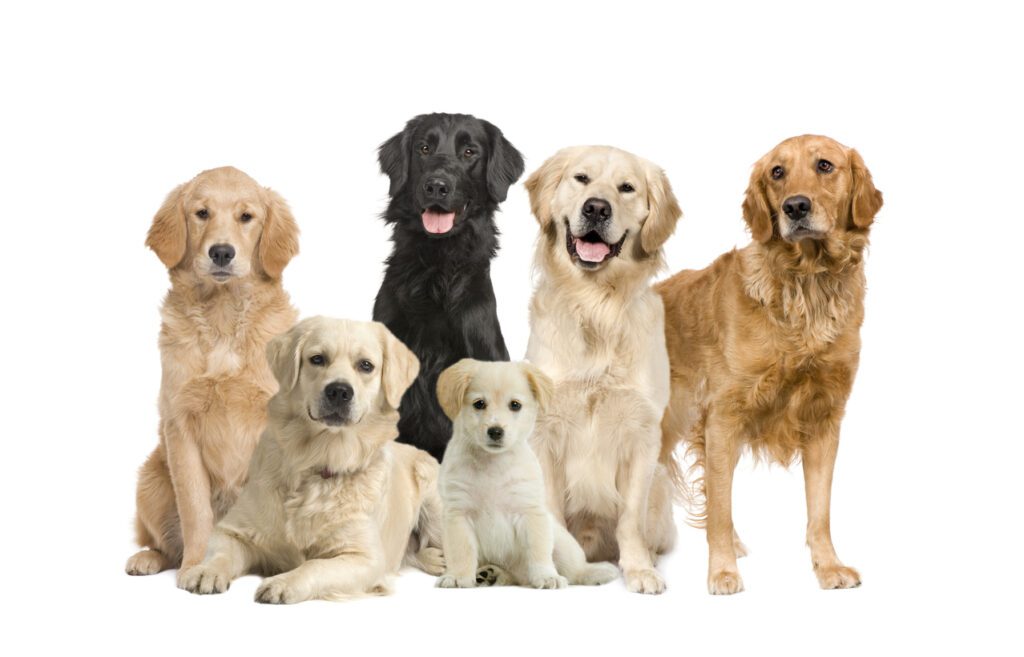
The main photo included in this blog post is from the iStock.com library.

No part of this website, including text, photographs, and documents, may be reproduced, stored in a retrieval system, or transmitted in any form or by any means without written permission from the copyright holder. All unauthorized use is strictly prohibited. If you choose to copy or share any information from my site, you must provide a link to the source. I appreciate your cooperation.


For further information concerning “I Don’t Know All The Answers.”

Website and Blog: https://www.idontknowalltheanswers.com

Facebook: https://www.facebook.com/Nikki.L.Mastro/

Instagram: https://www.instagram.com/i_dont_know_all_the_answers/

LinkedIn: https://www.linkedin.com/in/nikki-mastro-05455a3a/

Youtube Channel: https://www.youtube.com/@idontknowalltheanswers1954

Leave a Comment

Your email address will not be published. Required fields are marked *

Scroll to Top