Psychology of Pet Parenting: Why They Are Furbabies
Second in my series on Psychology of Pet Parenting
The Forever Child
Human parenting carries an unspoken truth that most of us understand but rarely say out loud. If you raise a human child, your job is to prepare them to leave you.
You teach them to walk so they can walk away.
You teach them to speak so they can disagree with you.
You love them deeply, knowing that one day your central role in their life will no longer be central at all.
That is not failure. That is success.
But our furry babies are different.
- They stay.
- They need us.
- They remain innocent.
They are our forever child.
A Bond That Does Not Evolve Away From Us
One of the most potent aspects of loving an animal is that the relationship does not shift into distance or independence. There is no teenage phase. No rebellion. No eventual emotional separation.
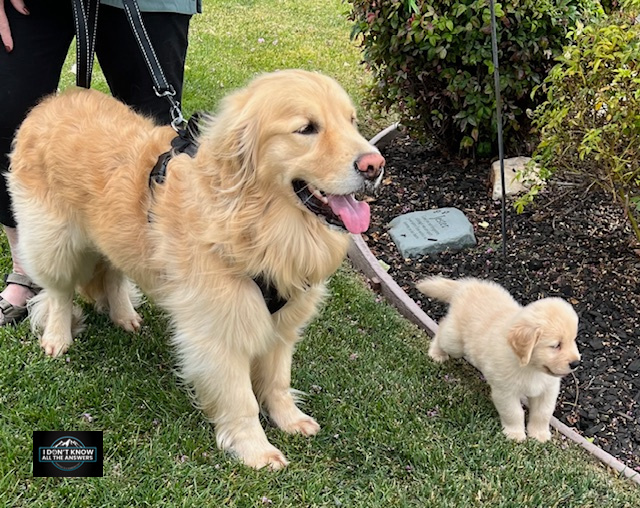
Teddy and Bear will never outgrow their need for me. They will never decide they no longer need comfort, protection, or reassurance. The bond we build today is the bond we keep.
For many people, this creates a sense of emotional safety that is difficult to articulate. The relationship does not contain the inevitable loss that comes with human parenting. It is not a love that prepares for goodbye. It is a love that stays present, consistent, and close.
This does not make it shallow.
It makes it steady.
Why Innocence Matters So Much
Our pets exist in a state of emotional innocence. They do not judge. They do not resent. They do not measure our worth by our productivity, our success, or our failures.
They respond to tone, presence, and care.
That innocence creates a rare emotional environment. It allows us to nurture without fear of being rejected for doing it wrong. It allows us to give love freely, without worrying about how it will be interpreted or returned.
For people who have experienced emotional instability, criticism, or abandonment, this matters more than most will ever realize.
The forever child does not grow into someone who can hurt you with words. They remain soft in a world that often is not.
The Comfort of Being Needed
There is something deeply grounding about being needed in a simple, unquestioning way.
Our pets need us for food, safety, routine, and comfort. That dependence is not manipulative or conditional. It is honest.
In caring for them, we are reminded that we matter. That our presence has an impact. That our actions shape another life in tangible ways.
This is not about control.
It is about purpose.
Being needed by a forever child gives structure to our days and meaning to our care. It reminds us that love can be both gentle and essential.
A Relationship That Does Not Ask Us to Change
Human relationships often require us to evolve, adapt, and perform. We are constantly asked to grow, improve, and adjust.
Our pets do not ask that of us.
They accept us as we are today. Tired. Quiet. Joyful. Sad. They do not need explanations. They do not need better versions of us.
The forever child allows us to show up without armor.
For many, that is not a small thing. It is a relief.
Not an Escape, but a Choice
It is easy for outsiders to misinterpret this bond. To assume it is about avoiding adulthood or substituting one kind of relationship for another.
But loving a forever child is not about escaping reality. It is about choosing a form of connection that feels sustainable, honest, and deeply human.
- It is choosing a bond that will not outgrow you.
- It is choosing a love that does not grow distant.
- It is choosing to stay present for the entire arc of a life.
A Closing Reflection
When we call our pets our forever children, we are not diminishing human relationships. We are naming a different kind of love.
- A love that stays.
- A love that needs us.
- A love that remains innocent in a complicated world.
And perhaps that is why it feels so sacred.
Because when we love a forever child, we are allowed to stay, too.