
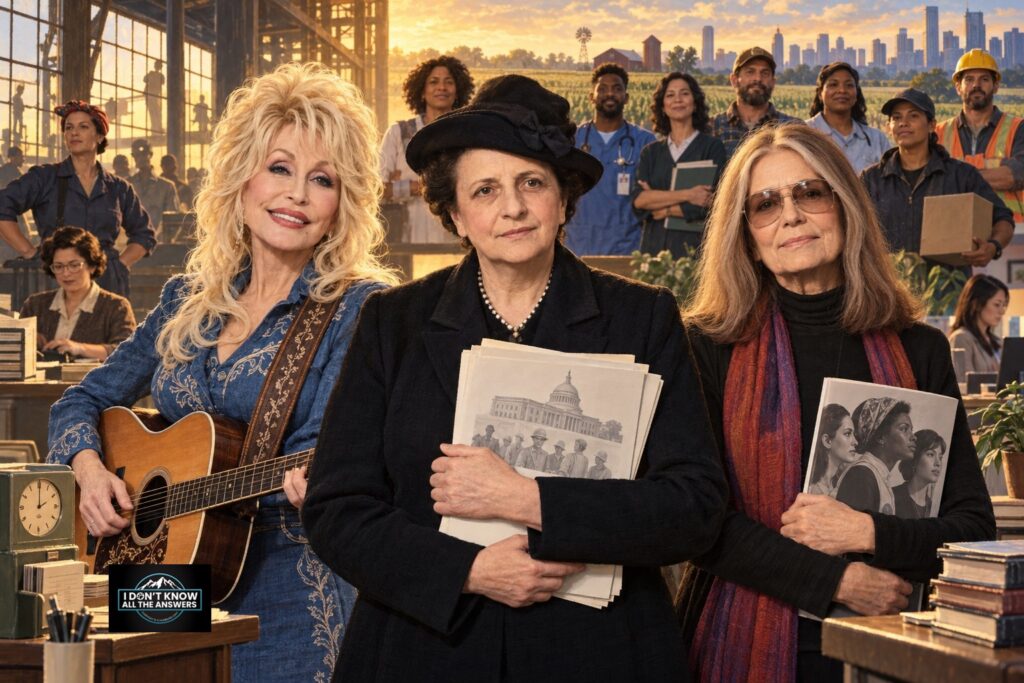
For many Americans, Labor Day marks the end of summer. It’s a time for picnics, family get-togethers, shopping, and maybe one last swim. There’s nothing wrong with enjoying these moments; everyone deserves a break. Still, Labor Day is more than just a long weekend. It’s a day to recognize that our country was built not just by famous leaders, but by everyday people working in factories, fields, mines, offices, hospitals, schools, homes, stores, and many other places.
The first Labor Day took place in New York City on September 5, 1882, when workers marched together to show unity and pride. By 1894, it became a federal holiday. Back then, many Americans worked long hours for little pay, often in unsafe conditions with few rights. Children worked alongside adults. Getting hurt could mean losing your job and not being able to support your family. Employers didn’t hand out vacations, weekends, unemployment insurance, retirement plans, or even the eight-hour workday. Workers had to organize, make sacrifices, and sometimes even risk their lives to win these rights.
Frances Perkins didn’t let tragedy make her feel powerless. Instead, she turned her grief into action. She fought for safer factories and better labor laws. In 1933, President Franklin D. Roosevelt made her secretary of labor, making her the first woman to serve in a presidential Cabinet.
Millions of Americans have benefited from these protections without ever knowing Frances Perkins’s name. Anyone who has relied on Social Security, received overtime pay, gotten through unemployment, or expected children to be in school instead of working in factories is part of her legacy.
Her story feels especially important to me this year because we recently lost two other remarkable women, Dolly Parton and Gloria Steinem. Their work was different from Perkins’s, but each understood the dignity, struggles, and determination of working women.
Dolly Parton gave that struggle a voice everyone could sing along to. Her song “9 to 5,” written for the 1980 movie she starred in with Jane Fonda and Lily Tomlin, was catchy and fun. But underneath its upbeat tune was a real protest against low pay, lack of recognition, and bosses who took credit for others’ work. Dolly showed the daily frustrations of office workers, especially women whose hard work was often overlooked. She called for fairness with humor, warmth, and a tune people remember.
Gloria Steinem spent much of her life fighting the barriers that kept women underpaid, ignored, and left out of leadership. Long before most people talked about workplace harassment or pay gaps, she helped bring women’s stories into the spotlight. Through her writing, organizing, and starting things like Ms. magazine, she showed that women’s work mattered, whether paid or unpaid. She helped us see that economic equality and women’s equality are always connected.
It feels right to remember Frances, Dolly, and Gloria together. Frances Perkins helped create laws to protect workers. Gloria Steinem helped women see and fight the unfairness in daily life. Dolly Parton brought the message into pop culture and made people listen while enjoying the music. Each woman used what she had, and each made it harder to overlook working women.
Labor Day still matters because fairness at work isn’t guaranteed yet. Many people struggle to pay for housing, food, health care, and retirement. Caregivers often do important work for little or no pay. Some workers worry about losing their jobs if they speak up about unsafe conditions, discrimination, or harassment. Technology and artificial intelligence are changing jobs, bringing new opportunities but also tough questions about job loss, privacy, and who benefits. The industries may change, but the need to protect people’s dignity stays the same.
The holiday also reminds us that no job makes someone more important than anyone else. Whether you empty the trash, pick crops, teach kids, fix roads, answer phones, deliver packages, care for the sick, write software, or run a company, you help make our shared life possible. Honest work deserves respect, and every worker deserves safety, fair pay, and a say.
References:
Wikipedia. Frances Perkins. https://en.wikipedia.org/wiki/Frances_Perkins
Frances Perkins Center. THE WOMAN BEHIND THE NEW DEAL https://francesperkinscenter.org/learn/her-life/
Thank you for reading this blog post. If you have any questions or comments, please leave them in the Comments section below.
Copyright © 2019. I Don’t Know All The Answers, Nikki Mastro.
All of my photographs and documents are copyrighted.
No part of this website, including text, photographs, and documents, may be reproduced, stored in a retrieval system, or transmitted in any form or by any means without written permission from the copyright holder. All unauthorized use is strictly prohibited. If you choose to copy or share any information from my site, you must provide a link to the source. I appreciate your cooperation.
For further information concerning “I Don’t Know All The Answers.“
– Website and Blog: https://www.idontknowalltheanswers.com
– Facebook: https://www.facebook.com/Nikki.L.Mastro/
– Instagram: https://www.instagram.com/i_dont_know_all_the_answers/
– LinkedIn: https://www.linkedin.com/in/nikki-mastro-05455a3a/
– YouTube Channel: https://www.youtube.com/@idontknowalltheanswers1954