
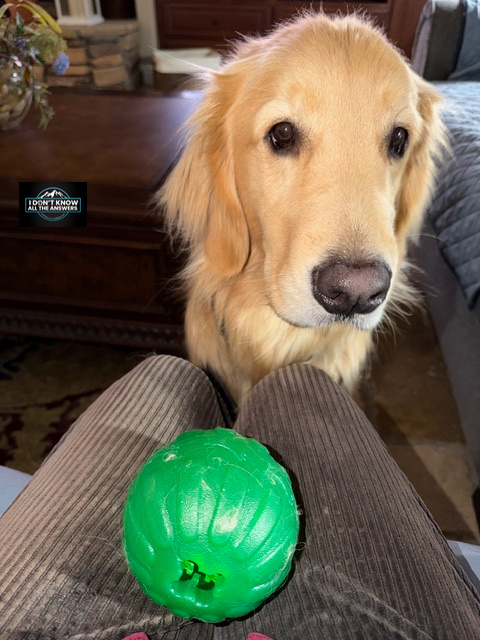
Bear is scheduled for a dental cleaning tomorrow.
I honestly did not expect to get him scheduled so quickly, but perhaps that is for the best. Sometimes the things we put off a little too long are the very things that deserve our attention the most. Dental care for our pets often falls into that category.
We faithfully buy good food, fresh treats, comfortable beds, favorite toys, and soft blankets. We notice limps, upset stomachs, or energy changes almost immediately. But dental care can quietly slip into the background because many of us do not realize how important it truly is.
The reality is that dental disease is extremely common in dogs and cats. In fact, veterinarians often report that many pets show signs of dental disease by age 3. The difficult part is that our beloved furry children cannot tell us when their mouths hurt.
And yes, they absolutely can hurt.
Bad breath is often the first thing pet parents notice, but bad breath is usually not “just dog breath.” It can be a sign of plaque buildup, infection, inflamed gums, or bacteria growing beneath the gumline.
Over time, that buildup hardens into tartar. Gums become irritated and inflamed. Teeth may loosen. Infection can develop. Some pets continue eating normally despite significant discomfort because animals instinctively hide pain far better than humans do.
That is one of the hardest parts for me personally. Dogs continue trying to be brave even when they are uncomfortable.
Dental disease is not only about the mouth, either. Bacteria associated with severe dental infections can potentially affect other parts of the body, including the heart, kidneys, and liver. What begins as neglected plaque can eventually contribute to much larger health concerns.
Professional veterinary dental cleanings are designed to help prevent those problems before they become severe.
Many pet parents become nervous when they hear that anesthesia is involved, and I completely understand that feeling because I feel it too. But anesthesia is necessary for veterinarians to safely and thoroughly clean beneath the gumline, where many harmful bacteria and diseases hide. It also allows dental X-rays to be taken, if needed, and enables the veterinarian to examine the entire mouth carefully.
During the procedure, pets are closely monitored by trained veterinary staff. Their teeth are scaled and polished, much like a human dental cleaning, though often more thoroughly, because pets cannot sit in a chair and say “ahhh” on command.
Sometimes, damaged teeth must be removed if the disease has progressed too far. As difficult as that sounds, removing a painful tooth can dramatically improve a pet’s comfort and quality of life.
After a cleaning, many owners report something surprising. Their pets seem happier. More playful. More energetic. Sometimes they eat better. Sometimes they seem relieved.
That realization can tug at the heart because we suddenly understand they may have been enduring discomfort much longer than we realized.
At home, there are also ways we can help support our pets’ dental health between professional cleanings. Veterinary-approved dental chews, oral rinses, specially designed toys, and brushing can all help reduce plaque buildup. Even small steps can make a difference over time.
And honestly, most of us are doing the best we can.
Life gets busy. Veterinary care is expensive. Some dogs cooperate beautifully with brushing, while others act as though we are attempting medieval torture. Bear personally believes many forms of grooming are deeply suspicious.
But loving them means trying anyway.
As I prepare Bear for his appointment tomorrow, I find myself thinking about how completely our pets trust us. They trust us to make decisions they cannot understand. They trust us to protect them even when they are frightened or confused.
That is a tremendous responsibility, but it is also one of the purest forms of love we will ever experience.
So if you have been postponing your pet’s dental care, perhaps this gentle reminder is for both of us.
Thank you for reading this blog post. If you have any questions or comments, please leave them in the Comments section below.
Copyright © 2019. I Don’t Know All The Answers, Nikki Mastro.
All of my photographs and documents are copyrighted.
No part of this website, including text, photographs, and documents, may be reproduced, stored in a retrieval system, or transmitted in any form or by any means without written permission from the copyright holder. All unauthorized use is strictly prohibited. If you choose to copy or share any information from my site, you must provide a link to the source. I appreciate your cooperation.
For further information concerning “I Don’t Know All The Answers.”
– Website and Blog: https://www.idontknowalltheanswers.com
– Facebook: https://www.facebook.com/Nikki.L.Mastro/
– Instagram: https://www.instagram.com/i_dont_know_all_the_answers/
– LinkedIn: https://www.linkedin.com/in/nikki-mastro-05455a3a/
– Youtube Channel: https://www.youtube.com/@idontknowalltheanswers1954